Is it a good day to fly?
Know the best hours before you launch.
What grounds a flight
Drones, FPV quads and RC planes are all surprisingly weather-sensitive, and the limits are sharper than for most outdoor activities. GoNoGo Weather scores each hour on the conditions that actually decide whether you fly. The default thresholds are tuned to popular consumer drones (a conservative baseline) — larger RC planes may tolerate a little more wind, small foamies and light FPV a little less, so treat the caution band against your own aircraft:
| Factor | Safe to fly | Caution | No-fly |
|---|---|---|---|
| Wind gusts | Under 22 km/h | 29–38 km/h | Over ~38 km/h (drone limit) |
| Precipitation | Dry | Rain risk nearby | Any rain, mist or snow |
| Temperature | Above 5°C | 0 to 5°C (battery drain) | Below −5°C |
| Visibility | Clear (VLOS) | Haze | Fog |
Anything scoring 70+ is a FLY, 45–69 is MAYBE (fly with caution and a close eye on gusts), and below 45 is NO-FLY. Because rain and over-limit gusts are effectively disqualifying for consumer drones, the model treats them as hard stops rather than soft penalties.
Wind: mind the gusts, and the altitude
Most popular drones — the DJI Mini and Air families, for example — are rated to roughly level 5 wind (~38 km/h). That's the number at which the drone struggles to hold position, drains battery fighting the wind, and risks not making it home. The practical rule most pilots use is to keep total wind including gusts under about 30 km/h. Remember too that wind is stronger higher up: a calm ground reading can hide a stiff breeze at 100 m, so treat the caution band conservatively when flying high.
Cold batteries are a real risk
LiPo batteries lose capacity and voltage in the cold. Below about 5°C you'll see noticeably shorter flights and faster voltage sag; below freezing, a battery can drop out under load with little warning. If you must fly in the cold, warm the batteries first and land with plenty of margin. The tool factors temperature into the score for exactly this reason.
Keep it legal and in sight
Weather isn't the only rule — you must keep the drone within visual line of sight, which is why fog and heavy haze are a no-fly here regardless of wind. Always check your local drone regulations and any airspace restrictions before flying; a good-weather verdict is not permission to fly somewhere you shouldn't.
Gear for more flyable days
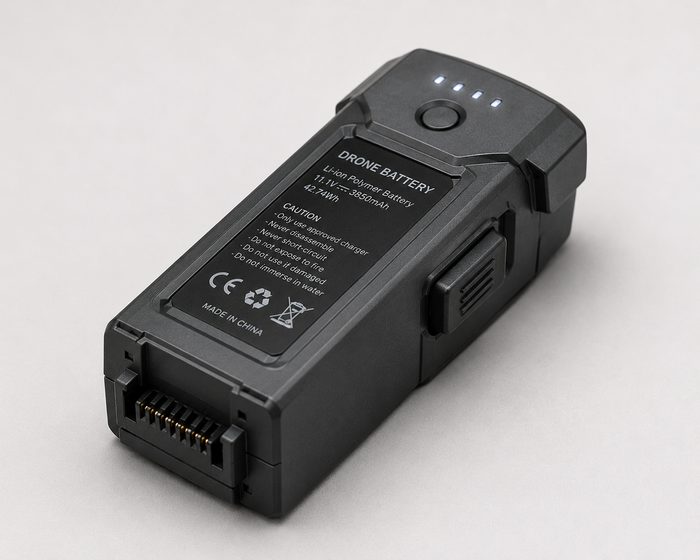
Spare batteries
The number-one way to make the most of a good-weather window — and a buffer against cold-weather drain.
See options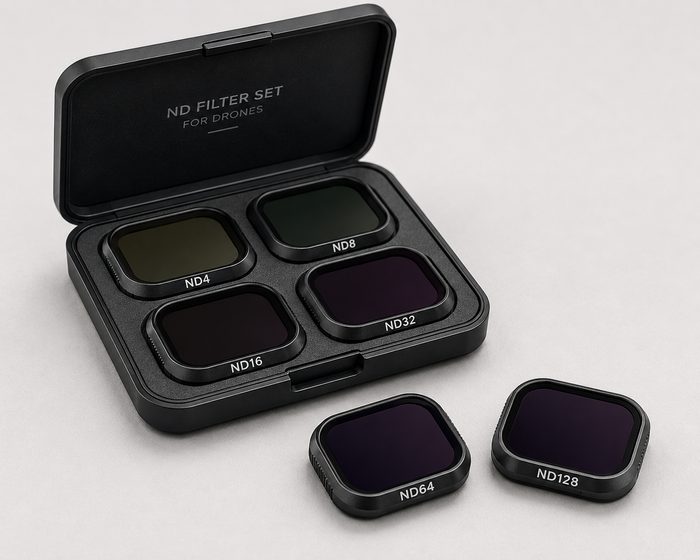
ND filter set
Smooth, cinematic footage in bright conditions when you finally get that clear, calm day.
See options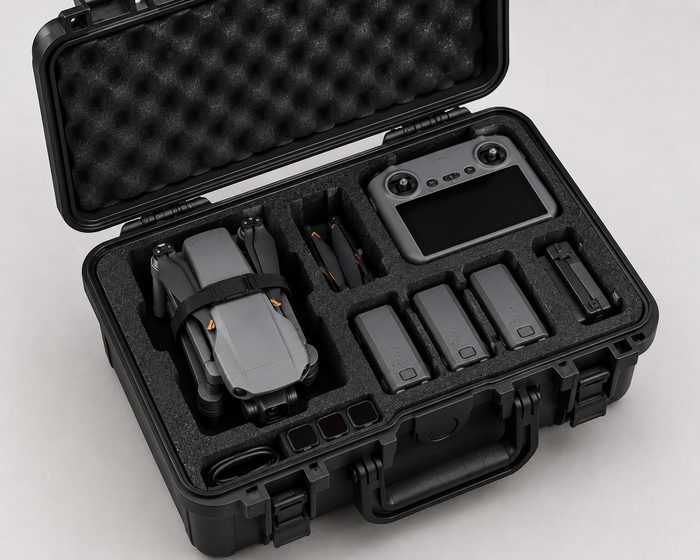
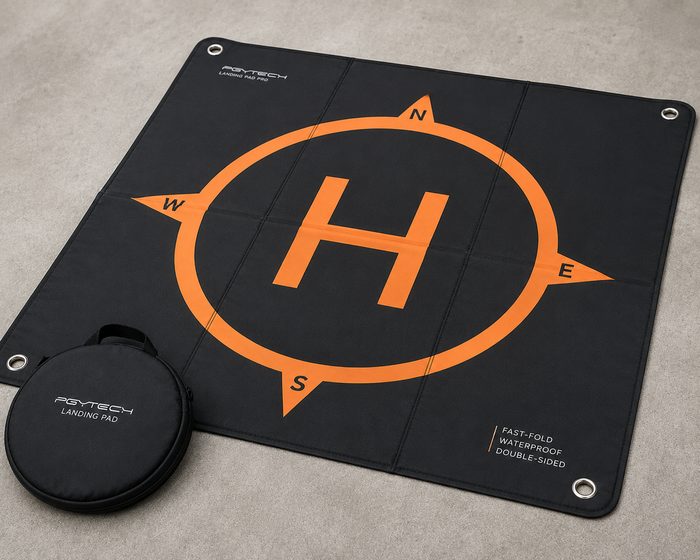
Some links above are affiliate links: if you buy through them we may earn a small commission at no extra cost to you. We only suggest gear genuinely relevant to flying conditions.
Drone weather FAQ
What wind speed is too windy for a drone?
Most consumer drones (DJI Mini, Air, etc.) are rated for wind resistance around 38 km/h (level 5). A safe rule of thumb is to keep total wind including gusts under about 30 km/h, and to land well before gusts approach the rated limit. Our verdict uses peak gusts, not average wind.
Can I fly my drone in light rain?
No. Almost all consumer drones are not weather-sealed, and even light rain or heavy mist can reach the motors and electronics. Any measurable precipitation — including snow — is a no-fly here.
Is it OK to fly in cold weather?
You can, but batteries lose performance in the cold. Below 5°C expect shorter flights; below freezing, warm the batteries first and land with a big margin. The tool lowers the score as temperature drops for this reason.
Does a good verdict mean I'm allowed to fly here?
No — it only means the weather is suitable. You're still responsible for airspace rules, no-fly zones, line-of-sight and local drone law. Always check those separately.