
Is today a good day to fly a drone? – live verdict
Check drone weather for gusts, rain, visibility and temperature.
Choose your location to load today’s verdict and its reason. No current verdict is available until the forecast loads.
What grounds a flight
For many consumer drones, even light rain matters, and a brief gust can be more important than the average wind. This model applies strong penalties and caps for precipitation, high gusts and poor visibility. Temperature is included because cold and heat can affect batteries and equipment. The thresholds are general guidance, not specifications for your aircraft.
Check the hourly detail for the whole flight and allow for a return into wind. A GO does not grant airspace permission or establish visual line of sight at your launch site. Obstacles, local turbulence, people, radio interference and legal restrictions are outside this forecast. Follow the manufacturer’s limits and the rules for your exact location, even when the weather score is high.
| Changed input | Score | Verdict | Cap |
|---|---|---|---|
| Dry reference hour | 100/100 | GO | None |
| Gusts 22 km/h | 90/100 | GO | None |
| Gusts 29 km/h | 72/100 | GO | None |
| Gusts 38 km/h | 45/100 | MAYBE | MAYBE |
| Gusts 46 km/h | 15/100 | NO-GO | NO-GO |
| Rain 0.1 mm/h | 20/100 | NO-GO | NO-GO |
| Rain probability 50% | 20/100 | NO-GO | NO-GO |
| Visibility 900 m | 30/100 | NO-GO | NO-GO |
| Air temperature −5°C | 40/100 | NO-GO | None |
Each example changes only the listed inputs from a dry, clear reference hour: air and feels-like temperature 18°C, steady wind and gusts 10 km/h, visibility 10 km, no precipitation, 0% precipitation probability and UV 0. These illustrative results are calculated from the same scoring functions as the live tool. Several penalties can combine into a lower verdict.
A score of 70–100 is GO, 45–69 MAYBE, and 0–44 NO-GO. A MAYBE cap limits the effective score to 64, and a NO-GO cap to 40. These are the app’s suitability bands, not certified safe operating limits.
Wind: mind the gusts, and the altitude
Wind: mind the gusts and the intended flight height. The forecast is not an observation at your aircraft’s altitude, and a city point cannot describe every launch site. Compare the gust value with the manual for your exact aircraft and consider the return flight; the model does not calculate whether the aircraft can make it home.
Cold batteries are a real risk
Cold-weather operation depends on the aircraft and battery specifications. The drone scorer uses air temperature: below 0°C it subtracts 25 points, and at −5°C or below it subtracts 60. Warming a battery does not override the manufacturer’s operating range. Follow the model-specific instructions rather than a universal warm-up or hover time.
Keep it legal and in sight
Weather is only one part of flight planning. A GO does not check airspace, access, people, permissions or whether you can maintain visual line of sight. The visibility input describes the forecast, not what you can actually see from the launch point. Check the responsible authority and the flying site separately.
Plan the whole outing
Search for the actual flying site, not just the nearest city. Compare the gust forecast with the limits in your aircraft manual, which may be lower than this model. Check precipitation and visibility independently. Confirm airspace and local restrictions with the responsible authority before flying.
This model does not check airspace restrictions, take-off permission, people below, aircraft type, altitude winds or the wind needed to fly home against a headwind. Its fixed thresholds are application settings, not a manufacturer rating for your aircraft.
Forecast inputs: Open-Meteo Weather Forecast API. Scoring and limitations: GoNoGo methodology. Send corrections through Contact. Model explanations checked against the deployed scoring code on 14 September 2026.
Optional equipment references
These category links are not field-tested product reviews. Check fit, specifications and suitability independently; equipment does not override the weather verdict.
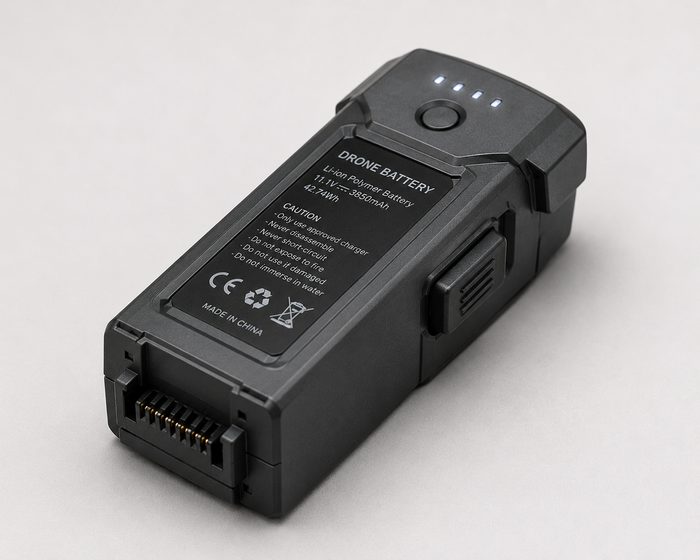
Spare batteries
The number-one way to make the most of a good-weather window — and a buffer against cold-weather drain.
See options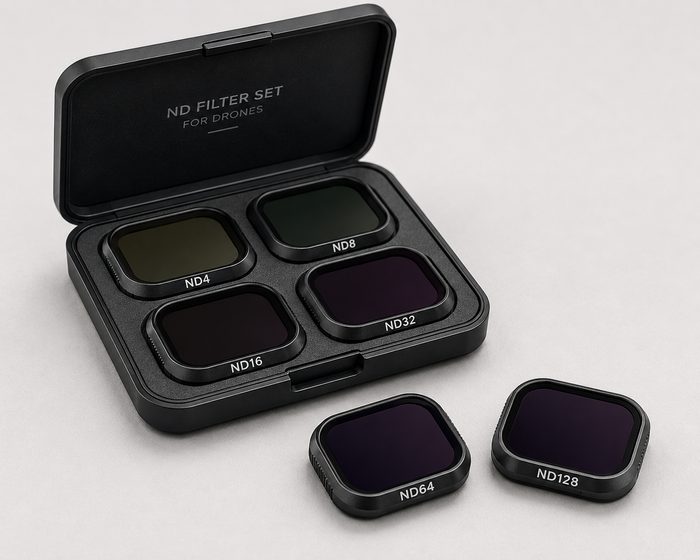
ND filter set
Smooth, cinematic footage in bright conditions when you finally get that clear, calm day.
See options
Affiliate disclosure: these Amazon links may earn us a commission at no extra cost to you. They are optional category searches, not tested product endorsements.
Drone weather FAQ
What wind speed is too windy for a drone?
Use the manual for your exact aircraft. This app subtracts wind points from 22 km/h gusts, applies a MAYBE cap at 38 km/h and a NO-GO cap at 46 km/h. A manufacturer limit can be lower; the score is not a wind-resistance certification.
Can I fly my drone in light rain?
Check the manufacturer’s precipitation and moisture restrictions. In this model, rain of at least 0.1 mm/h, rain probability of at least 50%, or relevant rain/snow codes can force NO-GO. A smaller forecast number does not establish that the aircraft will stay dry.
Is it OK to fly in cold weather?
Only within the operating conditions specified for your aircraft and battery. The model uses air temperature, not feels-like temperature, and adds cold penalties. It cannot measure battery health or confirm the remaining flight time.
Does a good verdict mean I'm allowed to fly here?
No. It is a score of supplied weather inputs, not confirmation of suitable conditions or permission. Airspace, access, visual line of sight, aircraft limits and local requirements must be checked independently.
Drone weather by location
- Drone weather South Africa
- Drone weather Japan
- Drone weather Spain
- Drone weather Italy
- Drone weather Portugal
- Drone weather Germany
- Drone weather Switzerland
Also ride on two wheels? Try the motorcycle riding weather and cycling weather verdicts, or the GoNoGo Weather home.